-
Lower Saxony State Stud Celle
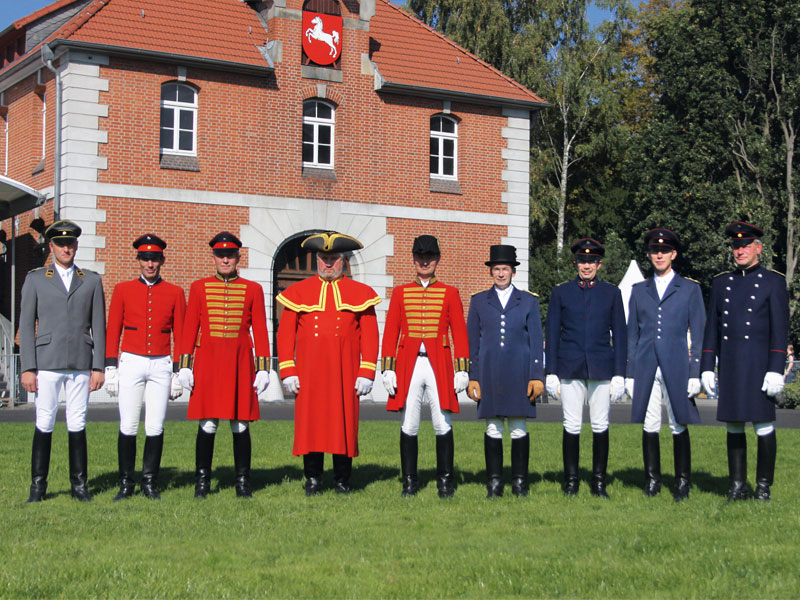
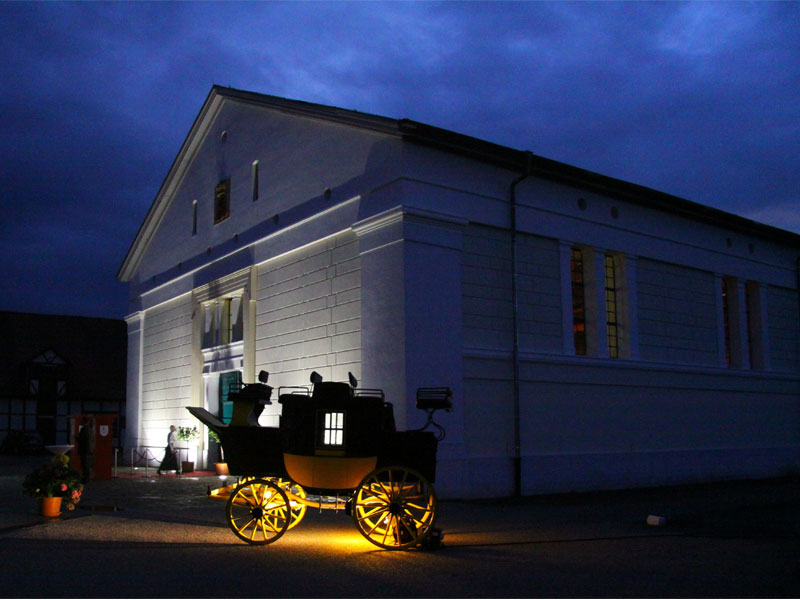
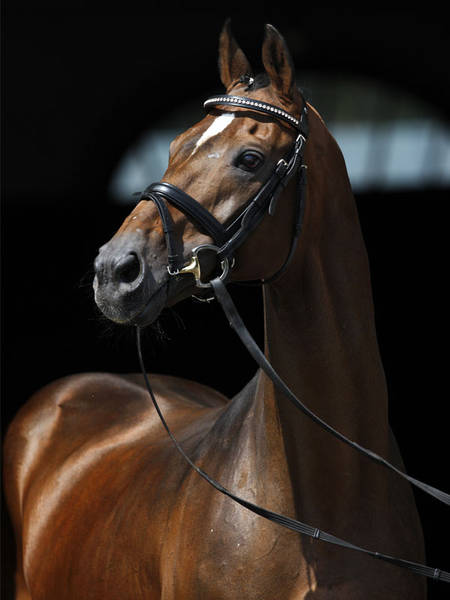
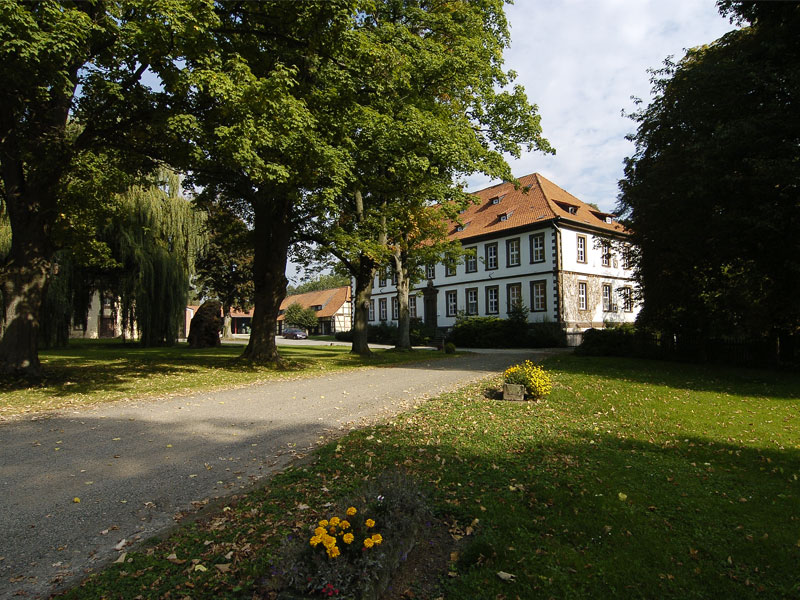
The State Stud Celle is located in the heart of the state of Lower Saxony, north of the state capital, Hanover. Its primary function - providing breeders in the state with genetically valuable sires for breeding - has not changed in nearly three hundred years!
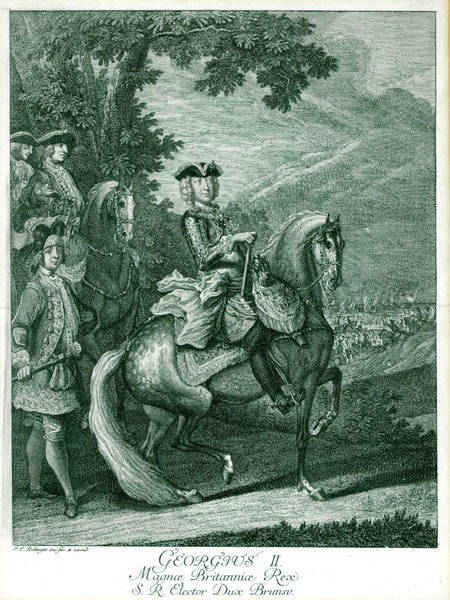
The State Stud Celle was founded on 27 July 1735 by decree of Georg II, Elector of Hanover – and thus began the Hanoverian breed. In 1735, the stud started out with 13 Holstein stallions. Already by 1800, there were around 100 stallions being sent out to 50 covering stations every year. The highest number of covers recorded in the annals was in 1947: approximately 35,000 mares were covered by a total of 360 state sires.
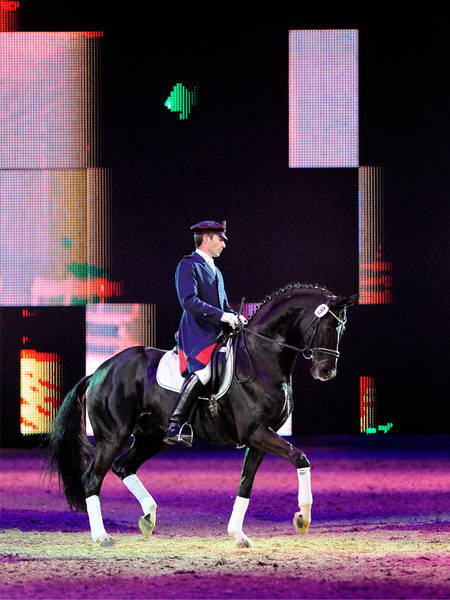
As the use of horses in agriculture dwindled in the 1960s, the demand for workhorses declined. As a result, the Celle State Stud then began to focus on breeding sport horses. With 6,500 mares covered annually, the State Stud Celle is now a leading breeding facility, both nationally and internationally.
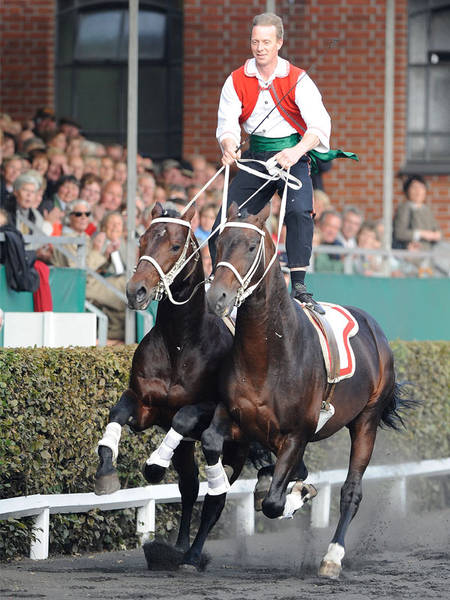
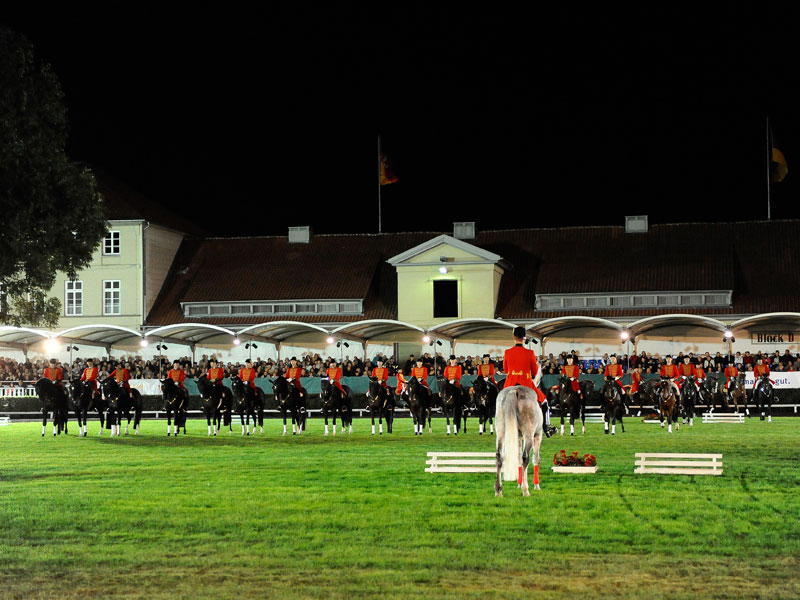
The modernity of the operation is a constant throughout the history of the company. Farmers from the stud were already systematically registering pedigrees during its early years of operation. This meant that by 1888, it was possible to establish the Hanoverian Studbook, the predecessor of the Hanoverian Association. The first public stallion parades took place in 1908 and have been attracting audiences for over 100 years now.
Establishing the Hunnesrück stallion rearing station in 1920 was also a forward-thinking move because that meant some of its own stock could be selected there. The next step followed in 1927 with the foundation of the Westercelle stallion testing centre and in 1975 came the move to the modern facility in Adelheidsdorf. The professional team of experts established an excellent reputation for the stallion testing centre, which provides a starting point for stallion owners from Germany and Europe.
The most far-reaching decision was to introduce biotechnology, which embarked on its path to success in horse breeding from Celle in the 1970s. Nowadays artificial insemination in horse breeding is irreplaceable.
“Living cultural heritage” – the “today” can only grow from strong roots and these lie in the Lower Saxony State Stud Celle – the “silverware” of the state when it comes to horse breeding. -


Contact
Niedersächsisches Landgestüt Celle
Spörckenstraße 10
29221 Celle
Germany
phone 0049 51 41.92 94 - 0
fax 0049 51 41.92 94 - 31
poststelle@lgst-celle.niedersachsen.de
landgestuetcelle.de